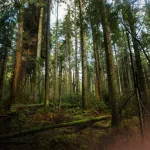
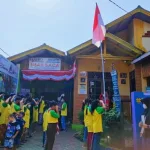
salakhalimunmountain.com – arriving in Desa Wisata Malasari is not like arriving at a typical travel destination. There are no gates, no signs welcoming crowds, no sense that the village exists to be consumed. Instead, there is quiet. The sound of water moving through irrigation channels, distant bird calls from the forest edge, and the slow rhythm of daily life continuing whether visitors are present or not.
This is a place that rewards attentiveness. Traveling responsibly in Malasari is not about following rules on paper. It is about understanding that you are entering a living village whose relationship with the rainforest has been shaped over generations.
Understanding the Rhythm Before You Arrive
Desa Wisata Malasari follows natural rhythms more closely than fixed schedules. Weather, harvest cycles, and forest conditions influence daily activities. Responsible travel begins with accepting that flexibility is essential.
Visitors who arrive expecting constant activity or immediate access to experiences often miss what makes this place meaningful. Malasari reveals itself slowly.
When to Visit and When Not To
The best time to visit Desa Wisata Malasari is during the drier months, generally from May to September. During this period, forest trails are more stable, rivers are clearer, and village activities follow predictable patterns.
Morning hours are especially rewarding. Mist lingers over rice fields, forest sounds are more pronounced, and village life begins gently.
The rainy season, typically from November to March, brings heavier rainfall and slippery trails. While the rainforest is at its most vibrant, access can be limited, and some activities may be restricted for safety and conservation reasons.
Why Timing Matters for Conservation
Visiting during unsuitable conditions places unnecessary strain on villagers and the environment. Trails erode more easily when wet. Water sources become vulnerable. Responsible travelers understand that sometimes the best decision is to wait.
Choosing the right time protects both the forest and the experience.
Entering the Village With Respect
Desa Wisata Malasari is first and foremost a home. Visitors are guests, not observers from a distance. Simple gestures matter.
Dress modestly, especially when walking through residential areas. Greet people you pass. Move slowly. Loud behavior feels out of place here.
Always enter with a local guide or host who understands village customs. They act as cultural bridges, helping visitors navigate boundaries that may not be immediately visible.
Understanding Unspoken Boundaries
Not every path is meant to be walked. Not every activity is meant to be photographed. Some areas are used for prayer, water collection, or private family life.
Asking before acting is the simplest and most important rule.
Photography Ethics and Cultural Sensitivity
Malasari is visually beautiful, but photography here requires restraint. Villagers are not exhibits. Their work and routines deserve respect.
Always ask permission before photographing people. Accept refusals without question. Avoid photographing children unless explicitly invited by their families.
In the forest, avoid disturbing wildlife for the sake of images. Flash photography near animals is discouraged. Quiet observation is valued over dramatic shots.
Choosing Presence Over Images
Some moments are meant to be experienced rather than recorded. Watching farmers plant rice at sunrise or listening to rain fall through dense canopy does not need documentation to be meaningful.
Responsible travel values memory as much as imagery.
Staying in Homestays Without Disrupting Life
Homestays in Desa Wisata Malasari are family homes. Staying in one means temporarily joining a household.
Guests are expected to adapt to the family’s routine rather than impose their own. Meals are simple and seasonal. Water use is mindful. Electricity may be limited at night.
Participating quietly in daily activities is encouraged. Observing without judgment builds trust.
Small Adjustments That Matter
Limit water use, especially during dry periods. Keep noise low in the evening. Respect sleeping and prayer times.
These small actions support harmony.
Supporting the Local Economy Without Exploitation
Responsible travel in Malasari means ensuring that economic benefits remain within the community.
Choose local guides. Stay in village homestays. Purchase crafts or products made locally rather than imported souvenirs.
Avoid bargaining aggressively. Prices reflect effort and sustainability, not profit margins.
Giving Back Through Respectful Choices
Support is not measured by spending more, but by spending thoughtfully. Long term relationships matter more than short term gains.
Visitors who return year after year often contribute more than those who arrive once in large numbers.
Moving Through the Forest Responsibly
When trekking near Desa Wisata Malasari, stay on established paths. Avoid loud conversation. Do not remove plants, stones, or other natural elements.
Pack out everything you bring in. Even biodegradable waste can disrupt local ecosystems.
Follow your guide’s instructions, especially when conditions change.
Why Responsible Travel Matters Here
Malasari’s strength lies in balance. Tourism exists to support conservation and village life, not replace it.
Visitors who travel responsibly help maintain this balance. Those who do not risk damaging what makes the village special.
Responsible travel is not restrictive. It is enriching.
A Guide for Those Willing to Listen
This village offers no spectacle. It offers understanding.
If you arrive quietly, move thoughtfully, and leave lightly, Desa Wisata Malasari will reveal itself in subtle ways. Through shared meals, slow walks, and moments of stillness beside the forest.
So, if you’re ready to explore the wonders of Mount Salak Halimun, head over to our ONLINE BOOKING PAGE and let’s start planning your adventure. Or simply CLICK THIS LINK to chat with us on WhatsApp.
With our team, you’re not just getting a guide; you’re gaining a local friend who will ensure your trip is nothing short of extraordinary.